Force feedback fade describes a gradual loss of strength and detail in a wheel base during use. It usually appears over longer sessions, where the forces feel weaker, less precise, or inconsistent compared to the start of a race.
There are two main causes behind this behavior: mechanical wear (reduced performance over the life of the product) and thermal derating (temporary performance loss over course of a driving session). Understanding both helps explain why some wheel bases maintain consistent performance while others struggle.
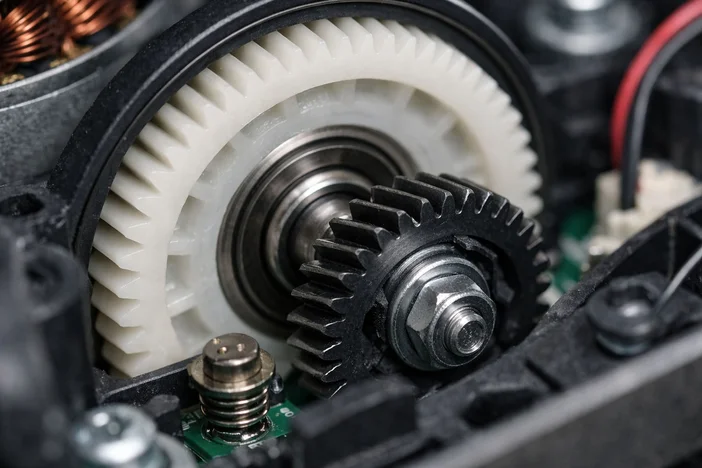
Mechanical wear in gear and belt systems
In gear driven and belt driven wheel bases, force feedback is transmitted from small motors through a reduction drive using gears, belts, or pulleys. Over time, these parts experience friction, tension changes, and material fatigue.
This leads to:
- Reduced detail in force feedback
- Increased slack or ‘play’ in the drive system
- Muted peak torque delivery
Wear builds up across sessions and becomes more noticeable as components age. It is more pronounced in entry level designs, where cheaper materials are used and tolerances are less precise.
Direct drive systems avoid most of these issues because the steering wheel is mounted directly to the motor shaft. With fewer moving parts, there is less opportunity for mechanical degradation to affect force feedback quality.
Thermal derating and performance limits
Thermal derating is the primary cause of force feedback fade during a single session. As the motor and electronics heat up, the system reduces output to stay within safe operating temperatures.
This can result in:
- Lower maximum torque
- Softer or compressed force peaks
- Reduced consistency over time
Derating is also more common in low-end products that rely on cheap motors with limited cooling capacity. Many gear and belt driven systems use compact designs with minimal thermal management, such as small fans or basic heat sinks. Under sustained load, these systems reach their thermal limits quickly and begin to reduce output.
Direct drive systems can also derate, especially if pushed hard for extended periods, but typically they are calibrated better for sustained performance.
Why direct drive performs better
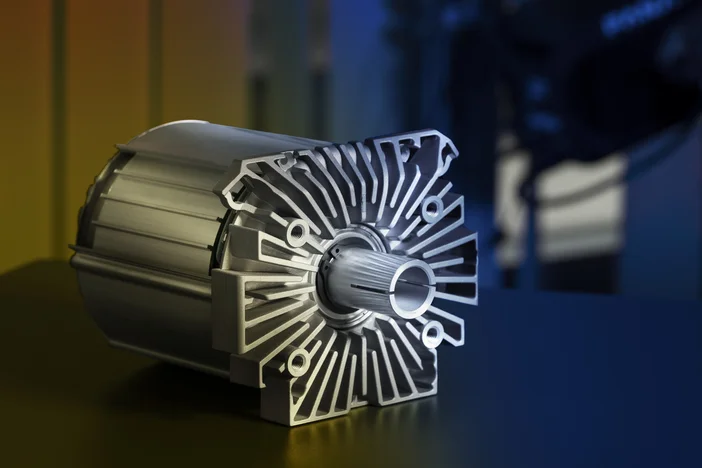
Direct drive bases are less prone to mechanical wear and are typically built around larger, more efficient motors. Cooling design, materials, and motor control strategies all play a role in preventing thermal buildup and maintaining stable output.
Fanatec direct drive systems are engineered with a focus on thermal efficiency and control precision. This includes:
- Optimised cooling pathways and heat dissipation
- High quality materials designed for sustained load
- Advanced motor control that maintains stable torque delivery
Consistency in Fanatec direct drive systems
The latest Fanatec direct drive platforms are designed to eliminate force feedback fade.
ClubSport DD, ClubSport DD+, and Podium DD (2026) are built to deliver consistent performance across long sessions. Their thermal management systems are developed to handle sustained forces without reducing output, while the direct drive architecture avoids the mechanical wear found in traditional systems.
PRODUCTS IN ARTICLE