BLOG
Sim Racing vs. Karting: Which Is the Better Way to Start Your Motorsport Journey?
Two paths, one ambition
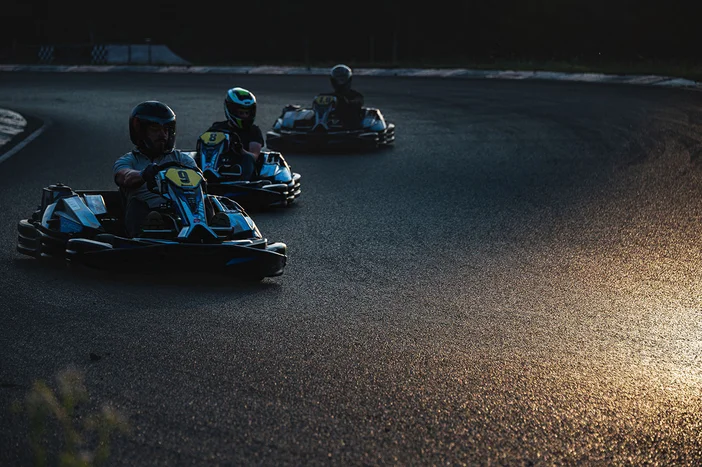
For anyone looking to enter motorsport, the starting point has traditionally been karting. In recent years, sim racing has become a serious alternative, offering a different route into competitive driving. Both disciplines build valuable skills, but they do so in very different ways.
The question is less about which is superior in absolute terms, and more about what each teaches, and how they complement each other.
What karting teaches you early
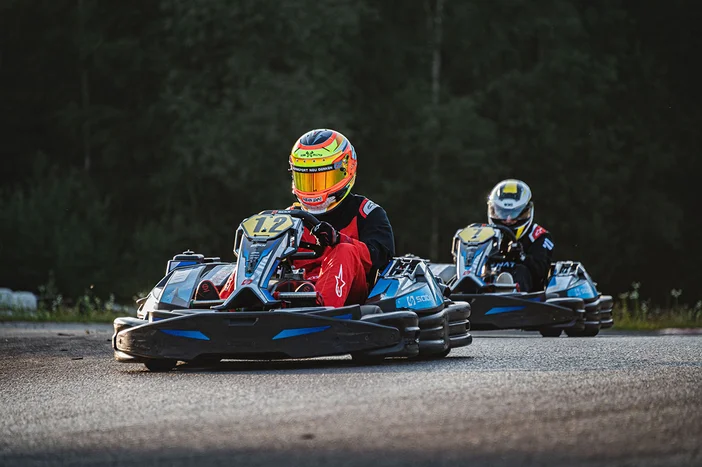
Karting places you directly into the physical reality of racing. Even at entry level, the experience carries consequences. The risk of contact, mechanical failure, or injury shapes decision making in a way no simulation fully replicates. Drivers learn quickly that judgement matters.
It also builds a strong sense of community. Local karting clubs create an environment where drivers meet regularly, compete closely, and form lasting friendships. The paddock becomes part of the learning process.
There is also a practical side. Working on your kart, understanding setup changes, and maintaining equipment develops mechanical awareness. That knowledge carries forward into higher levels of racing.
On track, karting teaches racecraft from the beginning. Starts, overtakes, defending positions, and managing pressure all happen in close quarters. Losing is part of that process. So is learning how to handle frustration, reset, and improve.
Where sim racing excels
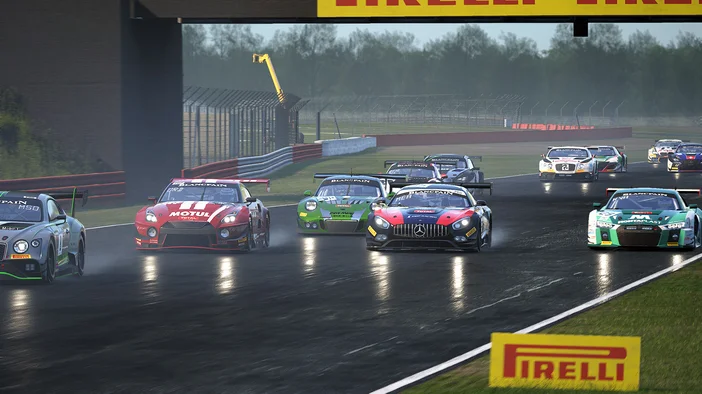
Sim racing removes many of the barriers that come with real-world motorsport. The cost of entry is significantly lower, and once set up, drivers can access unlimited track time. That alone makes it one of the most efficient training tools available.
It also opens up variety. Drivers can experience a wide range of cars and circuits that would otherwise be inaccessible. This breadth helps build adaptability and familiarity with different driving styles.
Consistency becomes easier to develop. With no travel, no weather interruptions, and no mechanical wear to manage, drivers can focus purely on improving technique. Repetition is immediate and continuous.
At the highest level, sim racing is no longer separate from real motorsport. Max Verstappen has been deeply involved in the space for years, competing with Team Redline, now rebranded as Verstappen Sim Racing. His engagement reflects how seriously top drivers view simulation as part of their training.
A sim racer’s perspective on the difference
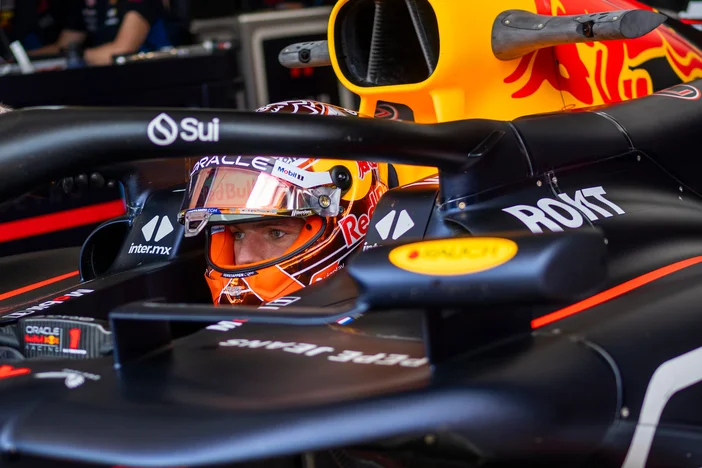
Keen sim racer and F1 champion Max Verstappen has been clear about the role karting plays, and where it falls short compared to modern simulation. In an interview on the Pelas Pistas Podcast, he said:
“Forget go-kart. That’s the problem with our sport a little bit, is that when you grow up playing football, you play from a young age with the ball. The ball doesn’t change. Okay, when you’re a kid the goals change, but after that it’s the same. For us, I feel like go-kart is not the same as a race car. Go-kart, you learn the basics of racing - starts, defending, overtaking - but the go-kart does not handle like a car.
You already sit completely different, you have suspension. With the go-kart you always have to slide it, right? Because you have the axles. So it always needs to be free and it always needs to slide.
A car is opposite, because the car for me always needs to be stuck on the rear. And of course you try to take as much front end as you can, but in general the rear needs to be stuck. So the whole driving dynamic is very different. Do go-kart for fun, but not as a proper practice.”
His view reflects a broader shift. Sim racing offers a closer approximation to modern race cars, particularly in terms of vehicle behaviour and setup.
Choosing your starting point
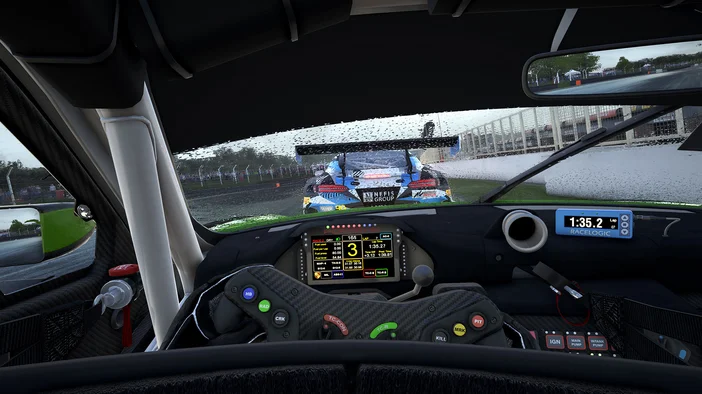
Karting builds instincts that come from real-world consequences, physical feedback, and close competition. Sim racing offers precision, accessibility, and a direct link to the behaviour of modern race cars.
For many drivers, the most effective path combines both. Karting develops awareness and racecraft. Sim racing sharpens technique and expands experience.
Access and budget will often decide where you begin. What matters most is time spent learning, refining, and understanding the fundamentals of driving.
РЕГИСТРАЦИЯ ПРОДУКЦИИ