BLOG
Why do some DDs have fans and some are fanless?
First-generation direct drive
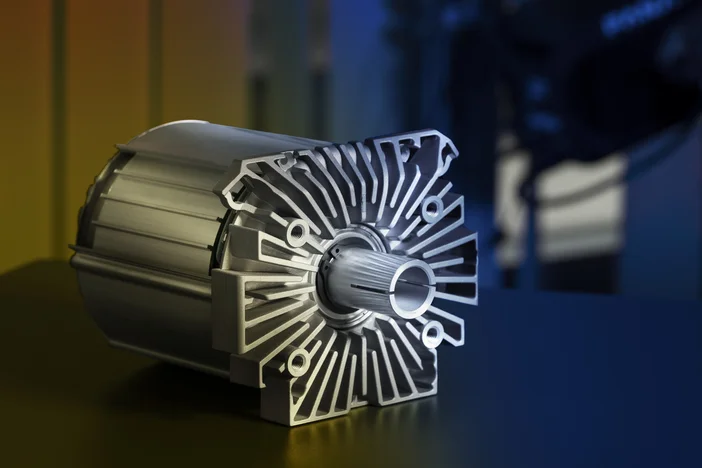
When Fanatec introduced the Podium Wheel Base DD1 and DD2, they represented the first generation of direct drive architecture designed for sim racing at scale. They used a bespoke outrunner motor, developed to deliver high torque and responsiveness.
Outrunner motors place the rotor on the outside, spinning around a stationary stator. This configuration is known for its torque density, which made it well suited to a high-end wheel base. The design also brought inherent thermal challenges:
- Heat is generated in the stator, located at the centre of the motor
- The path for heat to escape is longer and less efficient
- The outer rotor surrounds the stator, limiting heat dissipation
- Higher copper fill and current draw increase thermal load
These characteristics meant that thermal management was a key engineering focus from the outset.
Complex internals and early innovation
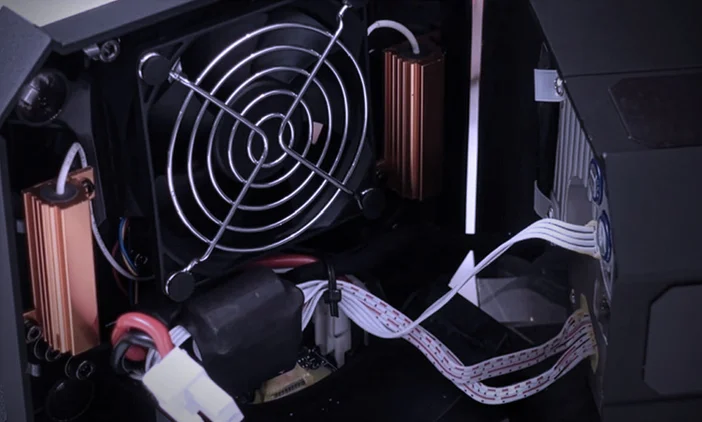
The DD1 and DD2 were not only powerful, they were also technically ambitious. They introduced integrated motor control within the base, alongside wireless data and power transfer in the center of motor (allowing the shaft to rotate freely without physical connections). This was achieved through a combination of infrared communication and inductive coupling.
This level of integration added further thermal complexity. The system combined:
- High continuous torque output
- Advanced internal electronics
- Contactless power and data transmission
Even with extensive optimization, passive cooling alone was not sufficient. Fanatec implemented a single, low RPM fan to support airflow through the housing. In typical use, this remained near silent while ensuring stable operating temperatures under sustained load.
Second-generation architecture
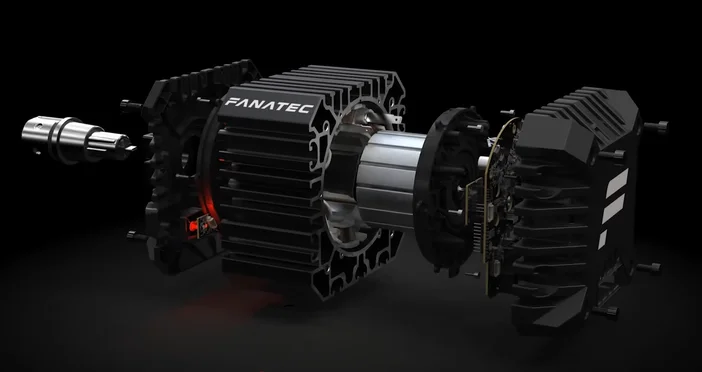
With the introduction of the CSL DD, Fanatec moved to a second-generation architecture based on a bespoke inrunner motor design. In this configuration, the rotor spins inside a stationary outer housing, fundamentally changing how heat is managed.
Inrunners offer clear thermal advantages:
- Heat is generated closer to the outer surface
- The outer casing can directly dissipate heat
- Cooling paths are shorter and more efficient
Fanatec paired this with FluxBarrier technology, improving electromagnetic efficiency and reducing unnecessary heat generation. The result was a servo base that delivered the necessary performance for sim racing force feedback while operating without active cooling.
The housing itself became part of the thermal solution. Its finned aluminum structure acts as a heatsink, with the added benefit of integrating T-nut slots for side mounting.
Scaling performance without fans
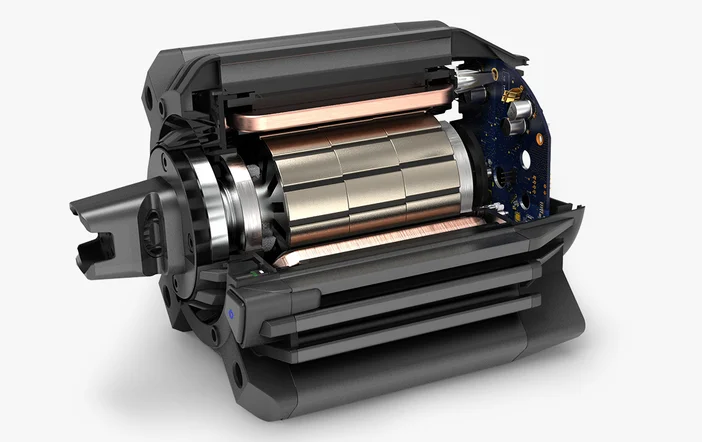
This approach proved scalable. The ClubSport DD and ClubSport DD+ extended the same architecture to higher torque levels while remaining completely fanless. Thermal efficiency improved alongside performance, allowing sustained output without the need for active airflow.
The Podium DD (2026) builds on the same inrunner and FluxBarrier foundation, and is a milestone in thermal efficiency - the first Fanatec Base to surpass the torque of the original DD2 while maintaining a passive cooling design.
РЕГИСТРАЦИЯ ПРОДУКЦИИ