Balance of Performance—BoP—is the mechanism that keeps modern GT3 and LMGT3 racing competitive. Born with the GT3 category in 2005 and first applied in 2006, BoP compensates for the natural differences between manufacturers so that no single car dominates. Today it remains fundamental both in SRO championships such as the GT World Challenge, and in the FIA World Endurance Championship (WEC), where the new LMGT3 class relies heavily on it.
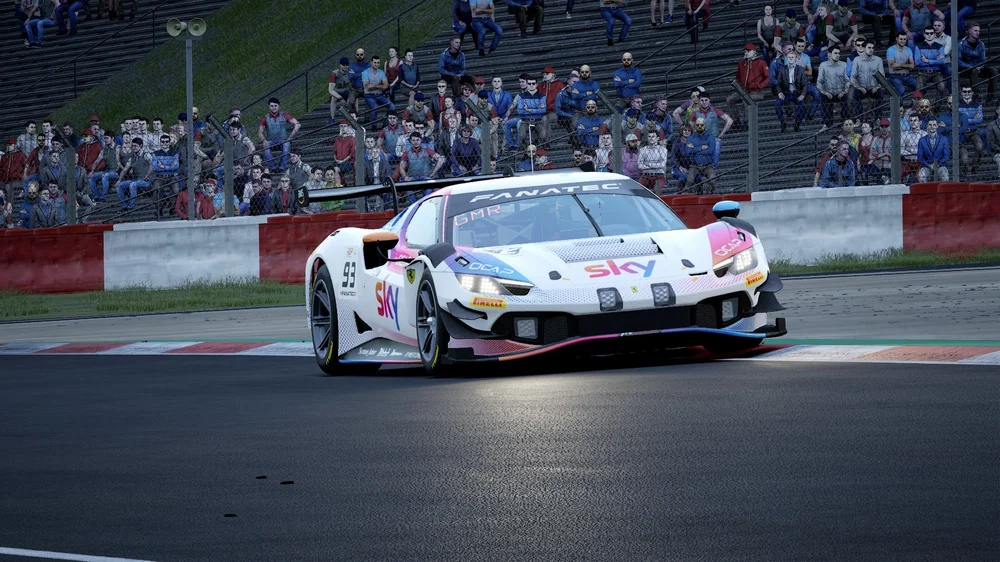
GT3 and LMGT3 grids feature cars with radically different philosophies: front-engined powerhouses like the BMW M4 GT3 Evo , mid-engined machines such as the Ferrari 296 GT3, and rear-engined models like the Porsche 911 GT3 R. Without regulation, their performance windows would be impossible to align. Yet BoP ensures that all three can fight for victories within the same race or even within the same stint.
To achieve this, organizers adjust four main parameters:
- Fuel tank capacity, which shapes stint length and race strategy.
- Ballast weight, added or removed to correct overall pace.
- Airflow or boost restrictions, used to limit engine output.
- Minimum ride height, which influences aero stability and cornering behavior.
In SRO series, the initial BoP is determined during collective testing at Paul Ricard, using telemetry gathered directly by SRO equipment. The WEC follows a similar model, constantly evaluating race-by-race data to maintain parity among Ferrari, Porsche, Aston Martin, Ford, Corvette, and others.

BoP in sim racing
BoP is just as critical in the virtual world. Modern platforms such as Assetto Corsa Competizione, iRacing and Le Mans Ultimate, replicate real-world systems with remarkable precision. These simulators automatically adjust weight, restrictor levels, fuel capacity, and ride height based on real regulations or on internal data collected from thousands of players.
In ACC, for example, SRO-licensed BoP is applied directly to keep GT3 and GT4 cars aligned with their real-life counterparts. In iRacing, dynamic BoP updates help balance GT3 and GTP classes across different circuits. For endurance-focused simulations like Le Mans Ultimate, FIA-WEC-style BoP ensures that LMGT3 cars—Ferrari, Porsche, Aston Martin, Corvette, BMW etc—remain competitive in long-distance events.

BoP in sim racing equalizes the cars, but it doesn’t equalize the hardware. Two cars with balanced performance can still feel completely different depending on the wheel, pedals, and force feedback in use. For this reason, in competitive sim racing, BoP and hardware quality become two sides of the same coin: one balances the car, the other determines how effectively the driver can exploit it. High-quality products such as the ClubSport DD+ wheel base and the ClubSport Pedals V3 give sim drivers the precision and feedback needed to overcome the practical limitations imposed by BoP.
Ultimately, whether on real asphalt or a virtual track, BoP guarantees what racing fans and sim racers value most: close competition, multi-manufacturer variety, and the thrill of evenly matched battles.
PRODUCTS IN ARTICLE